

Today, Lougheed House serves as a museum and a community gathering place, but the property holds a long and fascinating history. For instance, during the Second World War, it functioned as barracks for the Canadian Women’s Army Corps, while the basement housed a blood donor clinic. In this article on calgarynka, we explore the history of this landmark and the legacy of the Lougheed family.
Where It All Began
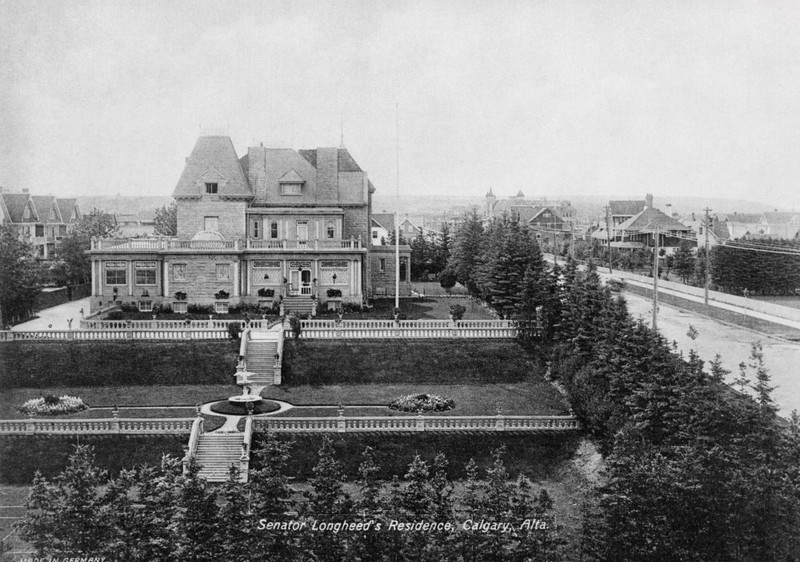
The story of Lougheed House dates back to the late 19th century when Senator James Alexander Lougheed commissioned the construction of a grand residence for his family. Designed by architect James R. Bowes, the building blends Victorian and Edwardian architectural styles, reflecting the opulence of that era.
For decades, this was the Lougheed family home. The family played a pivotal role in shaping Alberta’s political and economic landscape. James Lougheed himself was a successful lawyer and businessman who contributed significantly to Calgary’s development. The house once hosted high-society receptions and lavish parties, but over time, circumstances changed.
Following James Lougheed’s death, the family faced difficulties paying municipal property taxes, leading the City of Calgary to take possession of the home. However, the City allowed his widow and children to remain in the residence until Norman A. Lougheed and his family eventually moved out in 1938.
The Lougheeds and the First World War
In 2014, Lougheed House hosted a major exhibition dedicated to the city’s and the family’s role in the First World War. Two of James Lougheed’s sons served in the conflict. His eldest, Clarence Hardisty Lougheed, was severely wounded while serving in France. Edgar Lougheed—father of former Alberta Premier Peter Lougheed—also served.
Approximately 40,000 Calgarians enlisted in the war, and 1,300 of them never returned home. Alberta’s contribution was among the highest in Canada per capita.
James’s wife, Isabella, was also active in women’s and community organizations. She served as the first president of the Victorian Order of Nurses in the area and was the vice-president of the National Council of Women of Canada for Alberta.
James Lougheed was actively involved in supporting soldiers returning from the front. In 1915, he was appointed President of the Military Hospitals Commission, which provided treatment and housing for wounded veterans. Later, he became the first Minister of the federal Department of Soldiers’ Civil Re-establishment.
From Family Home to Barracks
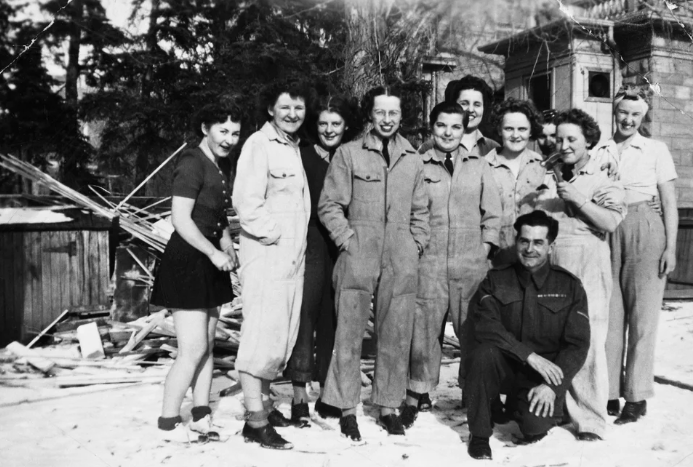
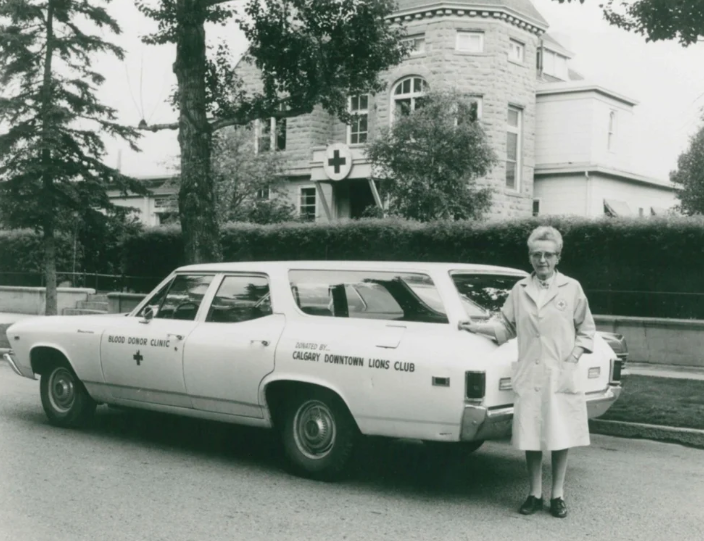
During the Second World War, over 21,000 women joined the newly formed Canadian Women’s Army Corps (CWAC). They served as clerks, cooks, electricians, drivers, and more. Of these, 1,914 were from Alberta, and several hundred were stationed right here at Lougheed House. From 1942 to 1946, the mansion served as barracks. The basement housed the Canadian Red Cross and a clinic for blood donation.
Space was tight, so some women were accommodated in additional huts constructed on the south side of the estate. Despite the conditions, they worked tirelessly, playing a crucial role on the Canadian home front and in the country’s war effort.
Following the Second World War, the house briefly functioned as a boarding house for former service members.
In 1976, the province designated the building a historic resource, and in 1988, restoration of the former residence began. Today, it stands as a vital piece of Calgary’s history. From the elegant receptions of the Lougheed family to military barracks, this house preserves the memory of those who served, supported, and sacrificed for the common good.